
PES-51 Oil Release Agent
Waste Minimization for Oil Spill Cleanup and Equipment Decontamination
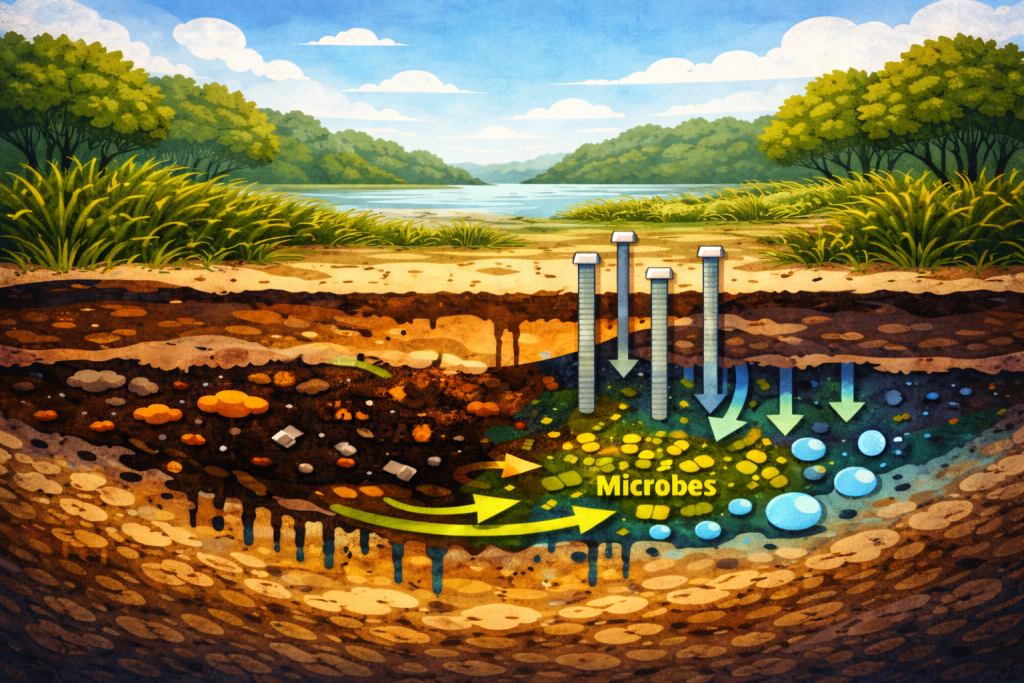
Waste minimization is a major concern in oil spill response and industrial cleaning. Decontaminating booms, skimmers, vessels, tanks, hoses, pumps, tools, and hard surfaces can generate wastewater that must be contained, separated, transported, treated, or disposed of. PES-51 supports cleanup workflows where released oil remains recoverable instead of being driven into the water phase as additional emulsified waste.
Release oil from the affected surface
PES-51 is applied to oil-contaminated hard surfaces such as equipment, tanks, vessels, skimmers, booms, piping, pilings, bulkheads, or shoreline materials to help release petroleum residue from the surface.
Keep released oil recoverable
Because PES-51 is insoluble in water and remains associated with the oil phase, the released petroleum can stay available for containment, collection, skimming, vacuum recovery, absorbents, or oil/water separation.
Reduce avoidable wastewater burden
By helping released oil stay associated with the oil phase, PES-51 can reduce the cleanup burden associated with stable emulsions, excess oily wastewater, and difficult oil/water separation conditions.
How does PES-51 support waste minimization?
PES-51 helps release oil from hard surfaces while keeping released petroleum associated with the oil phase. This supports containment, collection, oil/water separation, and recovery instead of creating additional emulsified wastewater.
Why does insolubility in water matter?
Because PES-51 is insoluble in water, it is intended to remain with the oil phase during cleanup and separation. That behavior helps keep released oil recoverable instead of pushing it into the water phase as a stable emulsion.
Does PES-51 create more oily wastewater?
PES-51 is used to support oil release and recovery rather than stable emulsification into the water phase. Actual wastewater volume depends on the cleanup method, rinse volume, containment setup, recovery method, and site conditions.
Where is PES-51 waste minimization most useful?
Waste minimization is especially useful in oil spill response equipment decontamination, shoreline surface washing, tank cleaning, recovered-oil-system cleaning, vessel cleaning, industrial surface cleaning, and oil/water separation workflows.